Hunter Douglas Recalls to Repair Custom Cellular and Pleated Window Coverings Due to Strangulation Hazard
Home product recall 13-707. Announced by CPSC on Nov 21, 2012.
- CPSC: stop using it
Watch and the shortlist are kept with a free account, on every device. Your watch list. CPSC’s own notice is on cpsc.gov.
The short answer
Announced by CPSC on Nov 21, 2012. Copied from CPSC on Oct 19, 2026.
- Stop using it what CPSC tells owners to do now (needs attention)
- Repair what’s offered
- About 4,400 shades units, as CPSC gives them
- Not said injuries, in the notice
Every line below is in CPSC’s own words, with its source beside it.
What’s wrong with it?
Some of the cords inside the breakaway cord stop were tied in a single knot which can prevent the cord stop from functioning as designed to break away. A child can become entangled in a cord loop and strangle.
CPSC, Recalls API. Checked Oct 19, 2026. Updated daily.
What should you do?
CPSC urges consumers to check their window coverings to see if the cords inside the breakaway cord stop are tied in a single knot. The breakaway cord stop is the plastic device that attaches two cords from the end of the blind to a single cord used to adjust the blind. Blinds have adjustment cords on both ends of the head rail with a cord stop on each. If there is a knot in the two cords inside the cord stop, stop using these window coverings and contact Hunter Douglas for a free repair kit with instructions on untying the knot. Hunter Douglas will also be contacting consumers to provide repair kits.
CPSC, Recalls API. Checked Oct 19, 2026. Updated daily.
- What the company offers to fix a recalled product or vehicle: a repair, a replacement or a refund, as the recall notice says. For a vehicle, dealers make the safety repair free. Follow the notice’s own steps, or contact the company it names. Source: CPSC; NHTSA (49 U.S.C. 30120).: repair.
- How to reach the firm: For additional information, contact Hunter Douglas at (800) 997-2389 from 9 a.m. to 8 p.m. ET Monday through Friday or visit the firm’s website at http://www.hunterdouglas.com/connector
Which ones are recalled?
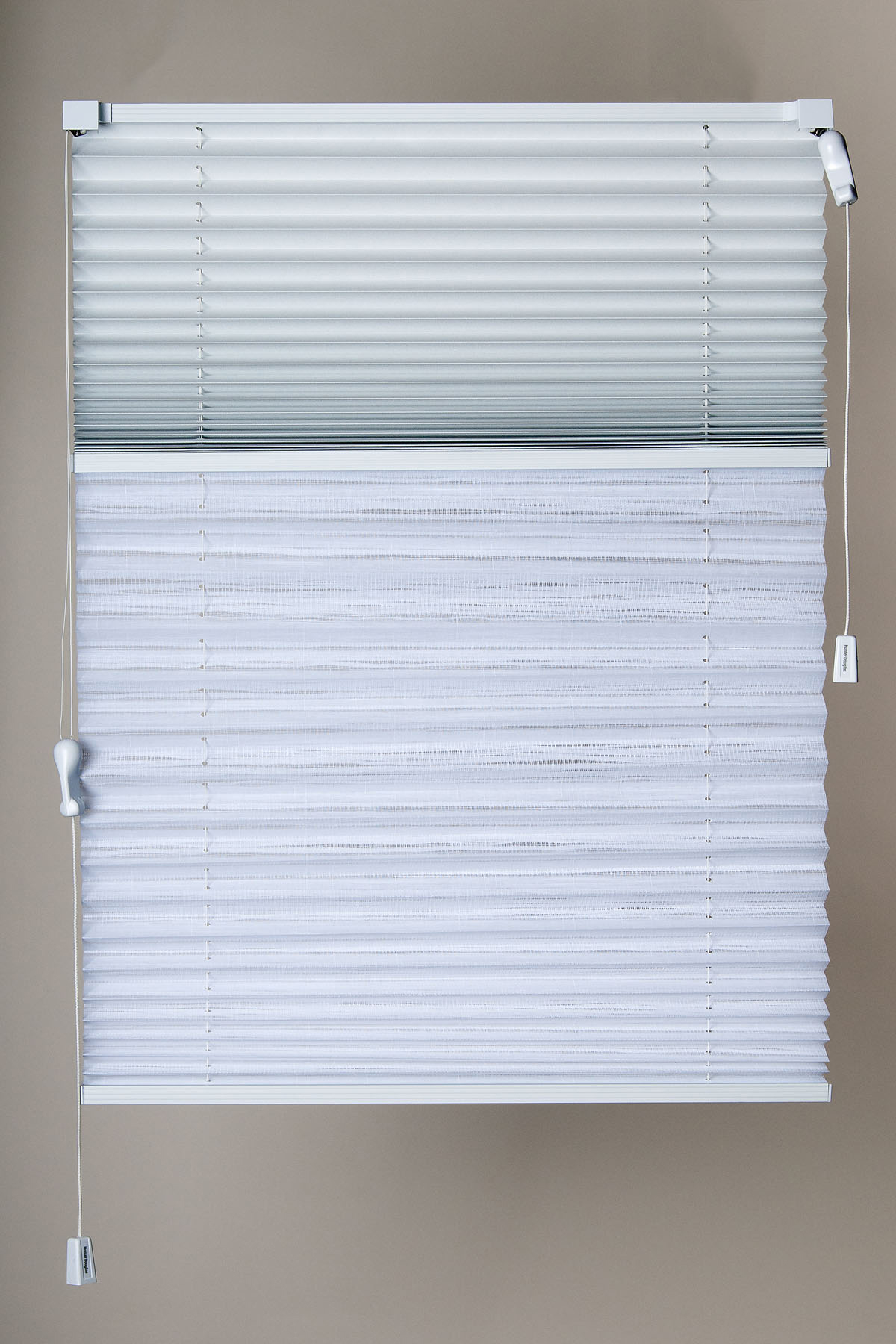
This recall involves custom-made cellular and pleated window coverings, sold in various colors and featuring a breakaway cord stop. These honeycomb and pleated shades have a top-down and bottom-up function allowing for the raising and lowering of the shades from the top down or from the bottom up. The Hunter Douglas logo is printed on the tassels on the single cords that descend from the breakaway cord stop.
About 4,400 shades units, as CPSC gives them.
Standard cordlock top-down/bottom-up Duette and Applause honeycomb shades; standard cordlock top-down/bottom-up Hunter Douglas pleated shades; Hunter Douglas Brilliance Privacy View pleated shades and standard cordlock Duette and Applause Duolite shades.
CPSC, Recalls API. Checked Oct 19, 2026. Updated daily.
CPSC’s photos
CPSC shows 5 photos on its notice. Hearth Record doesn’t copy them; each opens on cpsc.gov.
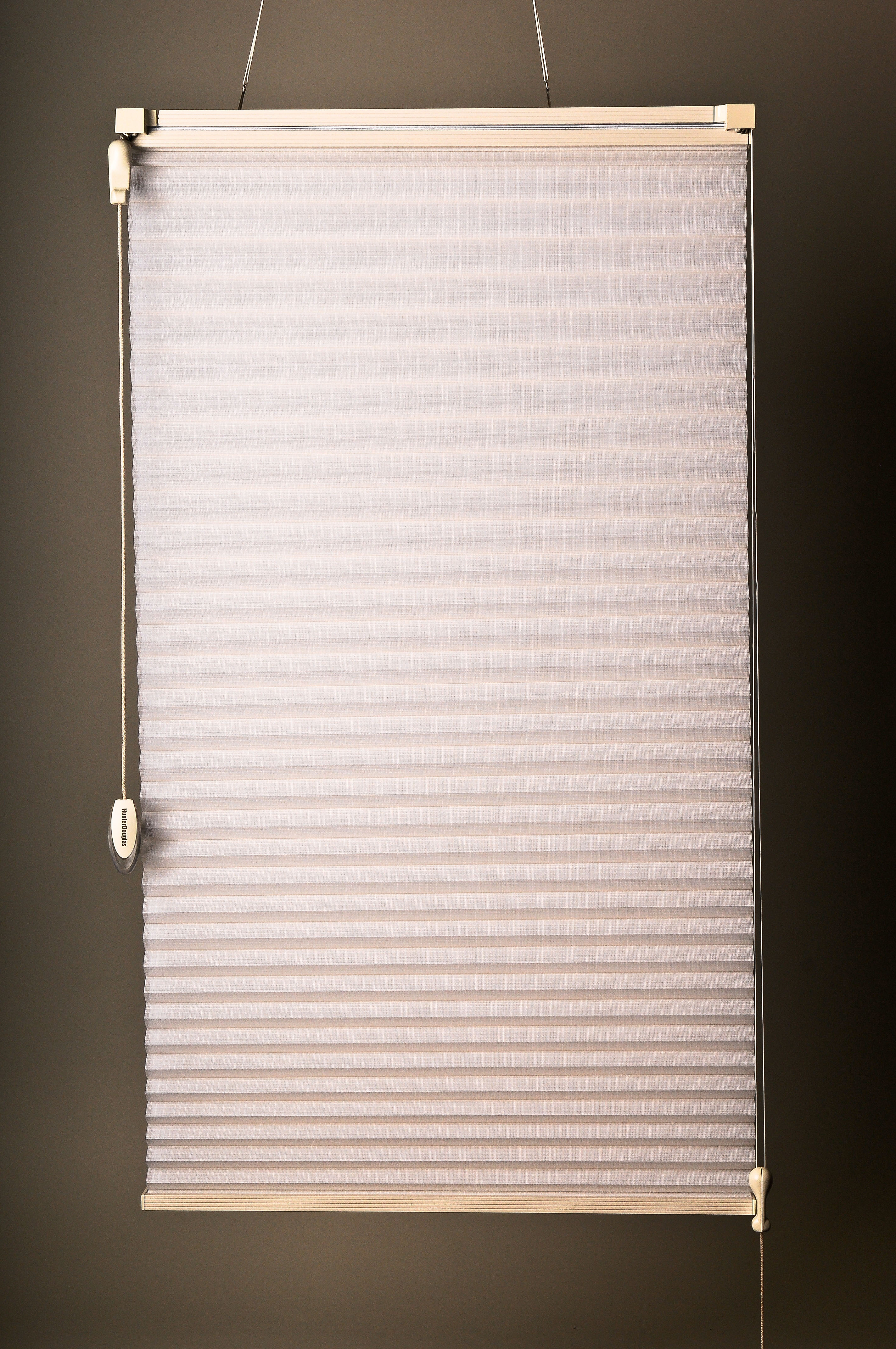
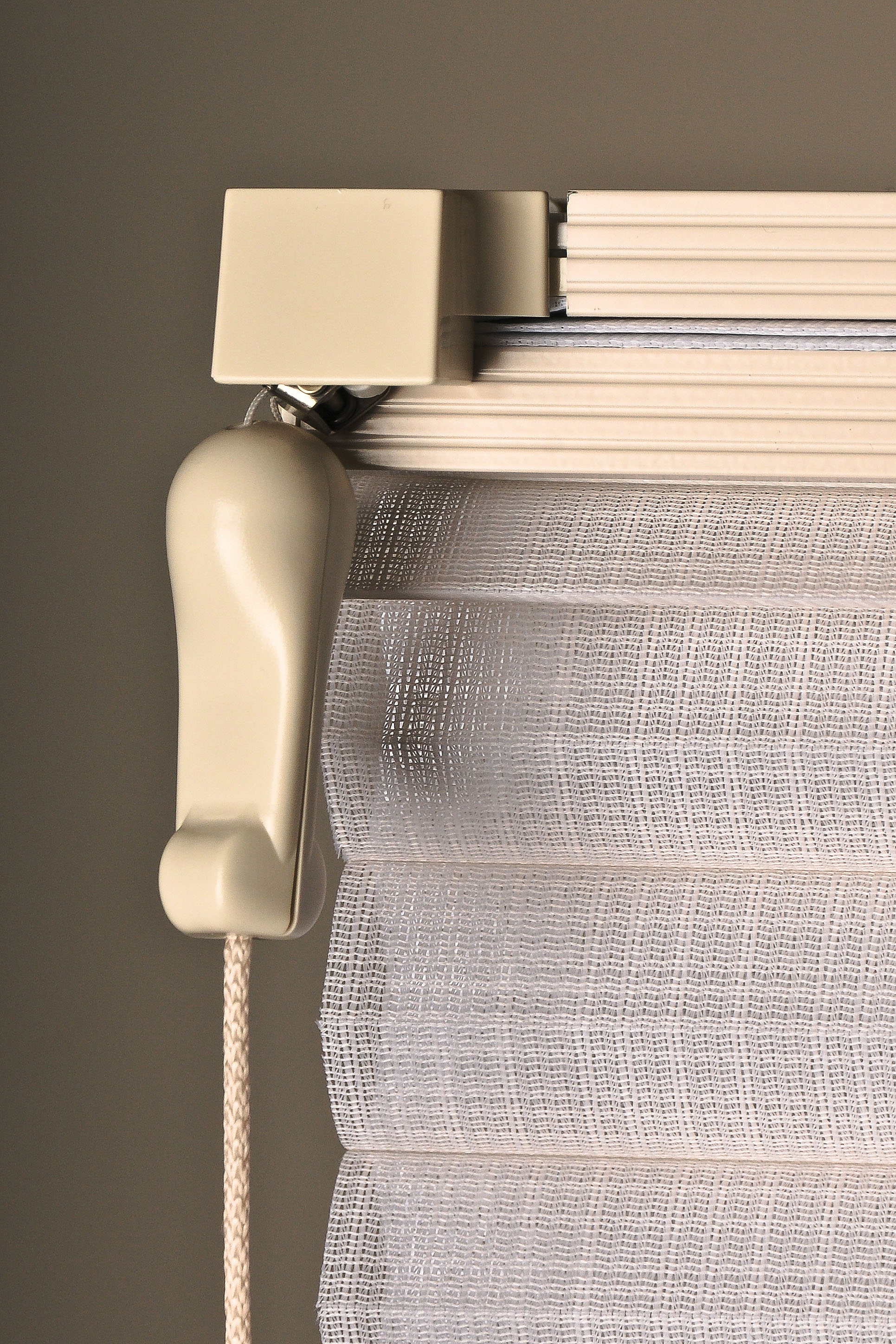
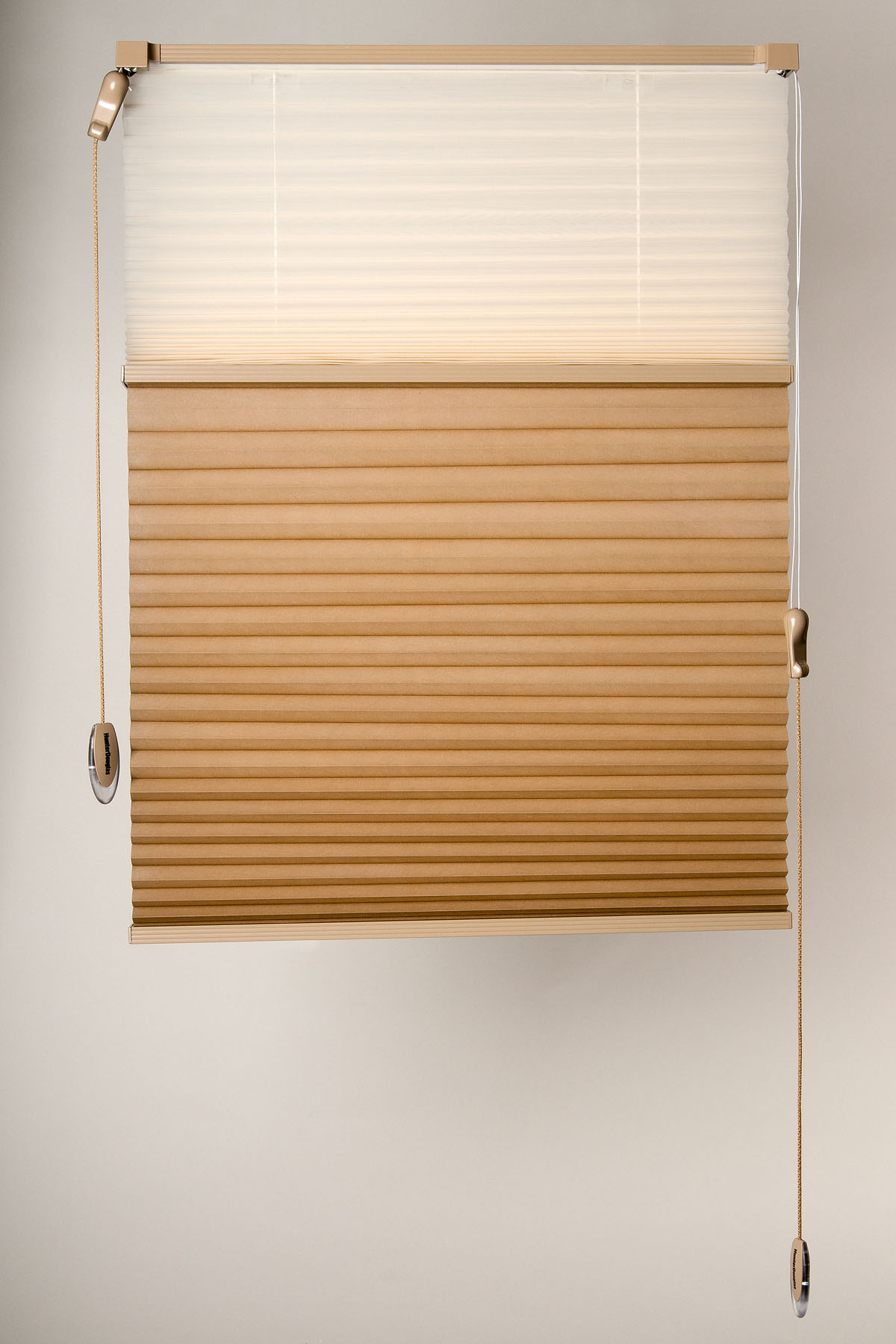
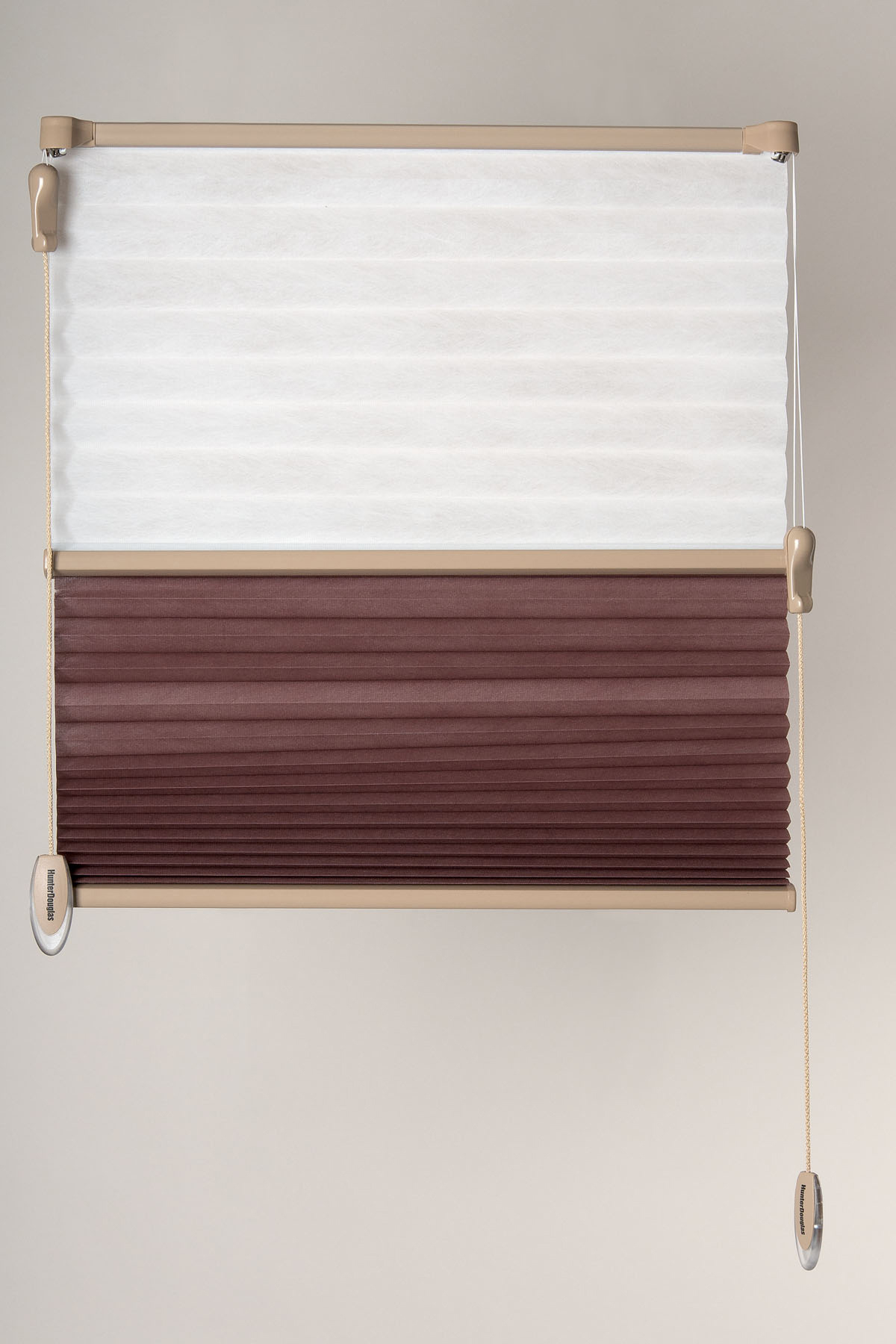
Who made and sold it?
- Made by Hunter Douglas Fabrication Co., West Sacramento, Calif.
- Hunter Douglas dealers nationwide from January 2011 through August 2012. Custom shade prices vary widely based on size, style and dealer. Retail prices for these recalled shades range from $240 up.
- Made in United States, as the notice gives it.
CPSC, Recalls API. Checked Oct 19, 2026. Updated daily.
Was anyone hurt?
None
CPSC, Recalls API. Checked Oct 19, 2026. Updated daily.
What the record doesn’t say
- The notice lists no UPCs, so check the model, the description and the photos.
- The notice lists no model numbers in a field of their own; its description may give them.
- How many have been returned or fixed isn’t in the notice.
Hearth Record wrote these lines.
Sources
-
U.S. Consumer Product Safety Commission, Recalls API.
Checked Oct 19, 2026. Updated daily. Public domain (U.S. Government work). CPSC asks to be credited, and that no endorsement be implied.
Recalls of kids’ and home products are from the U.S. Consumer Product Safety Commission (CPSC). CPSC does not endorse Hearth Record. Copied on Oct 19, 2026.