CPSC, Shindaiwa Inc. Announce Recall of Backpack Blowers Due to Fire Hazard
Home product recall 06-146. Announced by CPSC on Apr 25, 2006.
- CPSC: stop using it
Watch and the shortlist are kept with a free account, on every device. Your watch list. CPSC’s own notice is on cpsc.gov.
The short answer
Announced by CPSC on Apr 25, 2006. Copied from CPSC on Oct 19, 2026.
- Stop using it what CPSC tells owners to do now (needs attention)
- About 87,000 units, as CPSC gives them
- None injuries, CPSC’s notice says
Every line below is in CPSC’s own words, with its source beside it.
What’s wrong with it?
The backpack blower’s muffler support bracket can break, creating an opening in the muffler body. Hot exhaust gases could then escape from the muffler and melt the fuel tank or ignite grease or debris around the fuel tank, posing a fire hazard.
CPSC, Recalls API. Checked Oct 19, 2026. Updated daily.
What should you do?
Consumers should stop using the backpack blowers immediately and contact Shindaiwa for the closest dealer location to schedule a free inspection and a free repair, if necessary. Consumers who have registered their equipment will receive direct correspondence from Shindaiwa about this recall.
CPSC, Recalls API. Checked Oct 19, 2026. Updated daily.
- How to reach the firm: For additional information, contact Shindaiwa at (800) 521-7733 between 8 a.m. and 4:30 p.m. CT Monday through Friday, or visit the firm’s Web site at www.shindaiwa.com
Which ones are recalled?
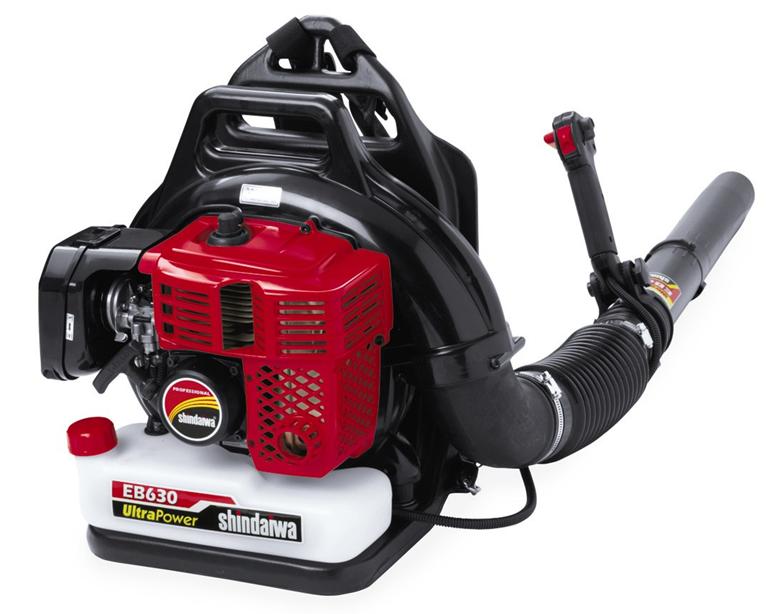
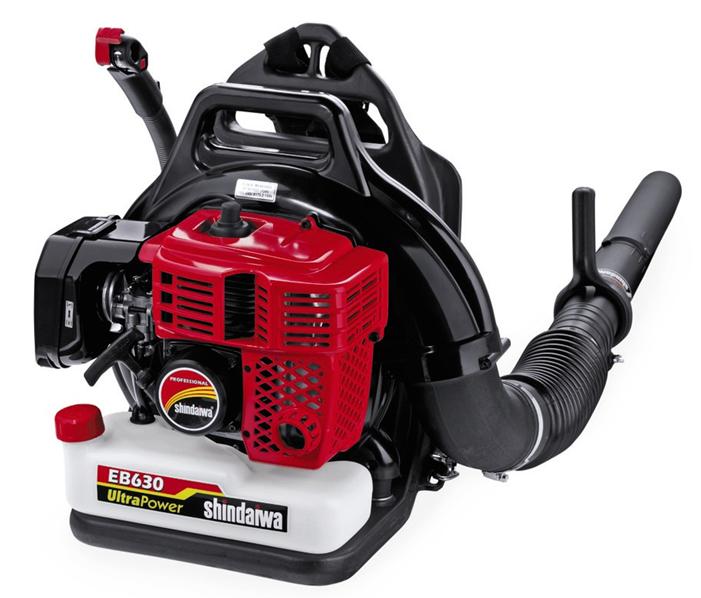
The Shindaiwa gasoline-powered backpack blowers are red and black with a white fuel tank. Model numbers EB630 or EB630RT are printed on the body of the blowers, along with Shindaiwa.
About 87,000 units, as CPSC gives them.
Shindaiwa Backpack Blowers.
CPSC, Recalls API. Checked Oct 19, 2026. Updated daily.
CPSC’s photos
CPSC shows 2 photos on its notice. Hearth Record doesn’t copy them; each opens on cpsc.gov.
Who made and sold it?
- Imported by Shindaiwa, Tualatin, Ore.
- Shindaiwa dealers nationwide from July 1999 through February 2006 for about $545.
- Made in Japan, as the notice gives it.
CPSC, Recalls API. Checked Oct 19, 2026. Updated daily.
Was anyone hurt?
Shindaiwa received one report of fire. No injuries reported.
CPSC, Recalls API. Checked Oct 19, 2026. Updated daily.
What the record doesn’t say
- The notice lists no UPCs, so check the model, the description and the photos.
- The notice lists no model numbers in a field of their own; its description may give them.
- How many have been returned or fixed isn’t in the notice.
Hearth Record wrote these lines.
Sources
-
U.S. Consumer Product Safety Commission, Recalls API.
Checked Oct 19, 2026. Updated daily. Public domain (U.S. Government work). CPSC asks to be credited, and that no endorsement be implied.
Recalls of kids’ and home products are from the U.S. Consumer Product Safety Commission (CPSC). CPSC does not endorse Hearth Record. Copied on Oct 19, 2026.