CPSC, Master Lock Co. Announce Recall to Replace Gun Locks
Home product recall 00-149. Announced by CPSC on Jul 24, 2000.
- CPSC: stop using it
Watch and the shortlist are kept with a free account, on every device. Your watch list. CPSC’s own notice is on cpsc.gov.
The short answer
Announced by CPSC on Jul 24, 2000. Copied from CPSC on Oct 19, 2026.
- Stop using it what CPSC tells owners to do now (needs attention)
- About 752,000 units, as CPSC gives them
- Reported injuries, in the notice (needs attention)
Every line below is in CPSC’s own words, with its source beside it.
What’s wrong with it?
Due to a manufacturing discrepancy, the two halves of some gun locks can be manually separated without a key, giving children and others unauthorized access to a firearm.
CPSC, Recalls API. Checked Oct 19, 2026. Updated daily.
What should you do?
Consumers should stop using the recalled locks immediately and call Master Lock to receive a free replacement lock. As always, consumers are reminded not to use gun locks on loaded guns. Until the replacement lock is received, consumers should not use the recalled gun locks. Master Lock urges consumers to comply with all state and local laws requiring the use of gun locking devices.
CPSC, Recalls API. Checked Oct 19, 2026. Updated daily.
- How to reach the firm: Consumers may call Master Lock at (800) 308-9242 between 8 a.m. and 5 p.m. CT Monday through Friday. For more information, visit the company’s website at http://www.masterlock.com/recall.html.
Which ones are recalled?
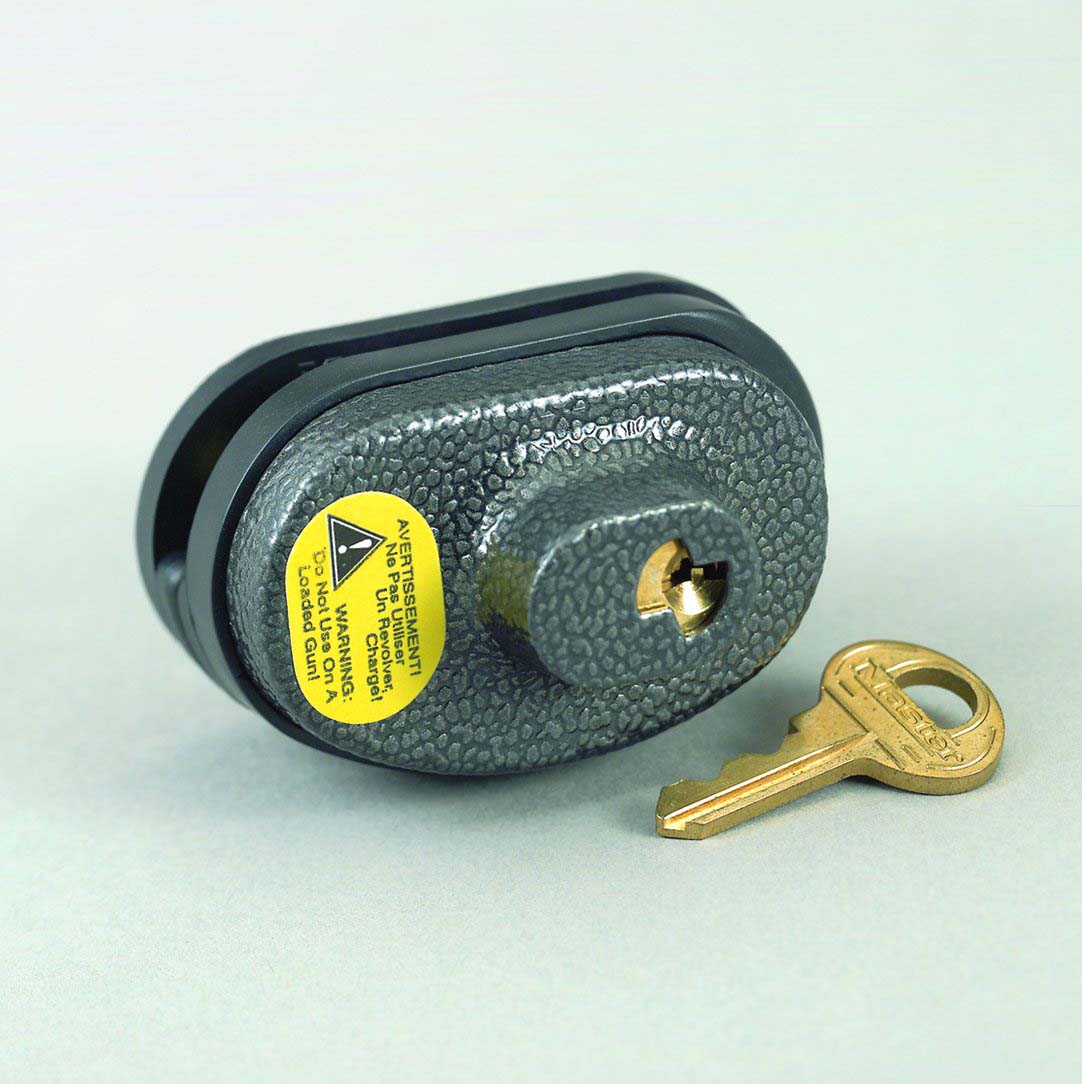
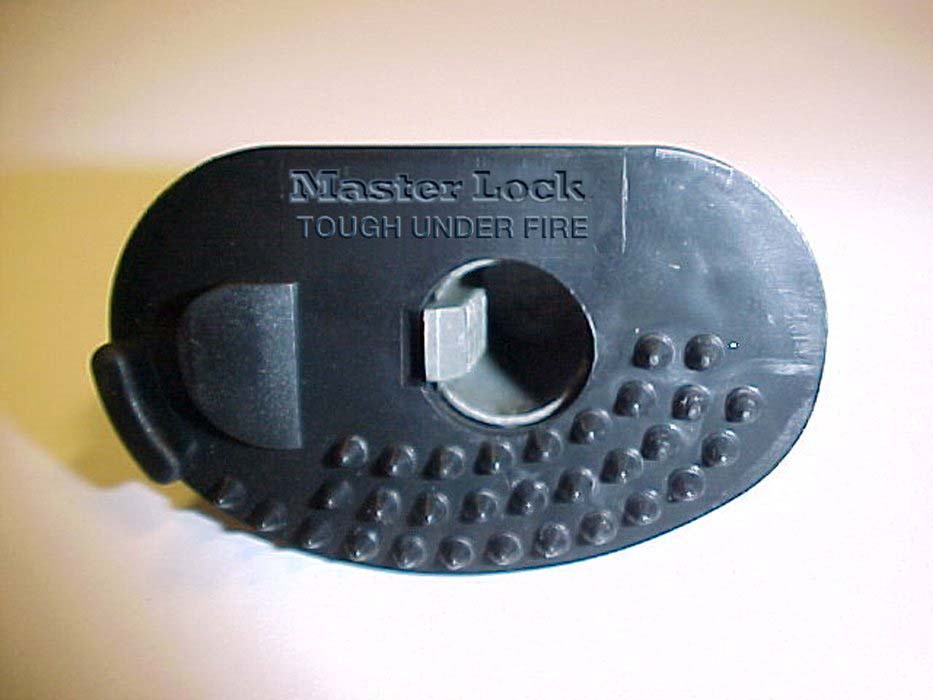
The locks being recalled are keyed, trigger gun locks sold separately or in combination with certain Smith & Wesson and Walther handguns. The recalled gun locks were available for sale after June 20, 1999, and are either black or blue metal. Each half of the lock surrounds the trigger with a 1-inch locking post connecting them. The words, “Master Lock Tough Under Fire” are imprinted on the lock’s black rubber pad. Affixed to the lock is a yellow sticker which reads, “Warning! Do Not Use On A Loaded Gun!” Master Lock brand gun locks sold separately were packaged with a green and black cardboard display card and with instruction sheets inside the package. Smith & Wesson gun locks were sold under its own name, and were packaged with blue display cards and instruction sheets inside the package. Model numbers found on the instruction sheets or packaging are 90, 90DSPT, 90KADSPT, 90TSPT, 90DS&W, 90KADS&W or 90TS&W. The words, “Made to exclusive Master Lock specifications in China” are on the back of the packaging. No other Master Lock gun locks are being recalled. Specifically, Master Lock trigger gun locks which were sold before June 20, 1999, (features to look for include: locks which were not sold with a yellow warning sticker or which state either “Milwaukee, Wis. U.S.A.” on the rubber pad or “Made in U.S.A.” on the packaging or the instruction sheets) or which have a locking post which measures over 1 1/4 inches in length are not included in this recall. Similarly, Master Lock cable gun locks or gun locks which lock with a combination rather than a key are not subject to this recall.
About 752,000 units, as CPSC gives them.
Gun Locks.
CPSC, Recalls API. Checked Oct 19, 2026. Updated daily.
CPSC’s photos
CPSC shows 2 photos on its notice. Hearth Record doesn’t copy them; each opens on cpsc.gov.
Who made and sold it?
- Made by Master Lock Co., Milwaukee, Wis.
- Stores, such as Walmart, Kmart, Gander Mountain and Sports Authority, sold the gun locks nationwide, between June 1999 and July 2000, for between $8 and $12.
- Made in United States, as the notice gives it.
CPSC, Recalls API. Checked Oct 19, 2026. Updated daily.
Was anyone hurt?
Master Lock reports it has not received any consumer reports of locks being disabled as a result of this discrepancy. This recall is being conducted by Master Lock to prevent the possibility of injury.
CPSC, Recalls API. Checked Oct 19, 2026. Updated daily.
What the record doesn’t say
- The notice lists no UPCs, so check the model, the description and the photos.
- The notice lists no model numbers in a field of their own; its description may give them.
- How many have been returned or fixed isn’t in the notice.
Hearth Record wrote these lines.
Sources
-
U.S. Consumer Product Safety Commission, Recalls API.
Checked Oct 19, 2026. Updated daily. Public domain (U.S. Government work). CPSC asks to be credited, and that no endorsement be implied.
Recalls of kids’ and home products are from the U.S. Consumer Product Safety Commission (CPSC). CPSC does not endorse Hearth Record. Copied on Oct 19, 2026.